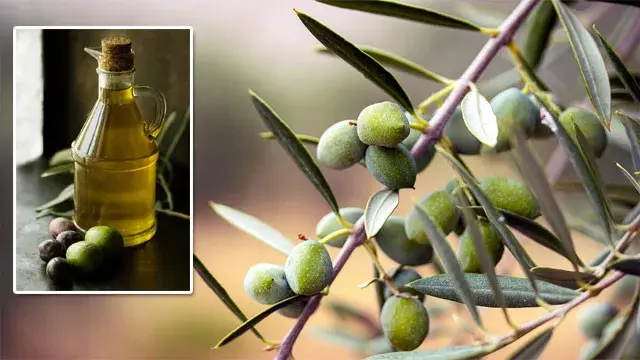

When it comes to olive cultivation in India, the state of Rajasthan comes to mind. Rajasthan is setting an example for the country by successfully cultivating this crop, which is usually grown in Mediterranean regions, in desert soils with a completely different climate. This has been possible with modern agricultural methods and planned water management.
The commercial cultivation of olives in Rajasthan began in 2007. This cultivation was started with experimental plants imported from Israel. The plants were grown in arid climates using modern technology like drip irrigation. This experiment bore fruit and the first crop was harvested in 2012.
The very next year, i.e. from 2013, commercial production of olive oil was also started. A special processing unit has also been set up in Bikaner for this. Currently, this region has become a major center for olive cultivation and oil production.
Currently, olive groves have spread in many districts like Bikaner, Sri Ganganagar, Hanumangarh, Jhunjhunu, Nagaur, Jalore, Jaipur, and Alwar. The dry climate, sandy soils, and modern irrigation methods in these areas have become favorable for this crop. With this, Rajasthan has gained special recognition in the country for olive cultivation. Although
other states like Jammu and Kashmir, Himachal Pradesh, and Uttar Pradesh have also focused on olive cultivation, Rajasthan is not only cultivating the crop but also leading the way in building a full-fledged domestic olive oil production system. Experts describe this success as an important step towards reducing dependence on olive oil imports from abroad.
Olive cultivation in India.. Rajasthan is creating wonders